

The First Week Home After a Hospital Stay: What Families Should Expect
Posted on February 17, 2026 | Geriatric Resource Centre
By Karen Caponetti, President/CFO
Introduction
Bringing a loved one home from the hospital can feel like a major relief, But for many families, it quickly becomes clear that recovery at home comes with new challenges. The first week after discharge is often the most critical period, when weakness, fatigue, confusion, and medical instructions must all be managed at once.
Understanding what to expect, and how to prepare, can make the difference between a smooth recovery and a stressful setback. Many families also explore professional post-hospital home care services to ensure their loved one has the support needed during this critical transition.
Why the First Week Is So Important
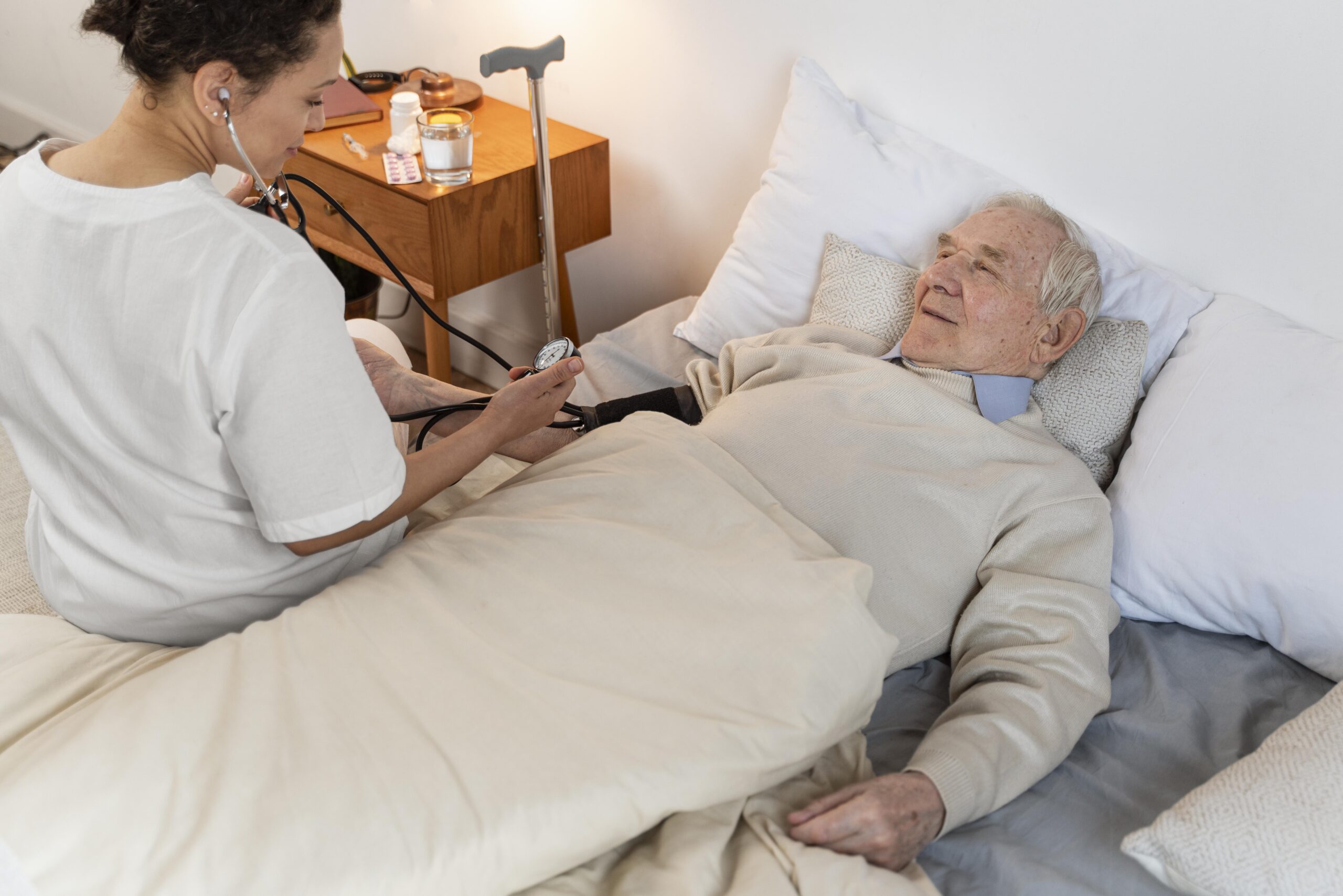
Hospitals discharge patients when acute medical issues are stabilized, not when normal daily functioning has returned. Seniors often come home weaker than families anticipate, with limited stamina and a higher risk of falls or complications.
During this initial week, it’s common to see:
-
Significant fatigue and low energy
-
Reduced mobility or balance issues
-
Pain or discomfort from procedures
-
Changes in appetite or hydration
-
Medication adjustments
-
Sleep disruptions
-
Temporary confusion or forgetfulness
Without adequate support, these challenges can quickly overwhelm both the recovering individual and family caregivers.
Preparing the Home Before Discharge
If possible, preparation should begin before your loved one leaves the hospital or rehabilitation facility.
Helpful steps include:
-
Clearing walkways to prevent falls
-
Setting up a comfortable sleeping area on the main floor if stairs are difficult
-
Installing grab bars or safety equipment if recommended
-
Ensuring frequently used items are within easy reach
-
Stocking groceries and easy-to-prepare meals
-
Arranging transportation for follow-up appointments
-
Reviewing discharge instructions carefully
Even with preparation, many families find that real-life needs are greater than expected once the person is actually home. Proper discharge planning and follow-up care are essential to reduce the risk of complications and readmission. Families may benefit from reviewing this article from the trusted Family Caregiver Allicance regarding hospital discharge planning guidelines when preparing for recovery at home.
Managing Daily Activities
Basic tasks can suddenly become exhausting or unsafe. Activities that once took minutes — bathing, dressing, preparing meals, walking to the bathroom — may now require assistance.
Common difficulties include:
-
Standing for extended periods
-
Getting in and out of bed or chairs
-
Maintaining balance while walking
-
Managing personal hygiene safely
-
Preparing nutritious meals
-
Keeping up with household tasks
Providing hands-on help during this period reduces risk and conserves energy for healing. In many cases, families choose hourly in-home care so a caregiver can assist with daily tasks while still allowing the recovering individual to remain comfortably at home.
Medication and Health Management
After discharge, medication regimens often change. New prescriptions may be added, dosages adjusted, or previous medications discontinued.
Families must keep track of:
-
Medication schedules
-
Possible side effects
-
Pain management needs
-
Instructions about activity levels
-
Warning signs that require medical attention
Missed doses or confusion about instructions can delay recovery or lead to complications.
Nutrition and Hydration Challenges
Recovery requires adequate nutrition, but appetite is frequently reduced after illness or surgery. Fatigue may also make meal preparation difficult.
Seniors recovering at home may struggle with:
-
Lack of appetite
-
Difficulty standing long enough to cook
-
Special dietary requirements
-
Risk of dehydration
-
Limited ability to shop for groceries
Encouragement, meal preparation assistance, and regular monitoring can help ensure the body receives what it needs to heal.
Safety Risks at Home
Falls are one of the biggest dangers during early recovery. Weakness, dizziness, medication side effects, and unfamiliar mobility limitations all contribute to increased risk. The CDC provides valuable resources such as this article about Older Adult Fall Prevention.
Additional safety concerns may include:
-
Difficulty navigating stairs
-
Getting up at night without assistance
-
Slower reaction time
-
Impaired judgment due to fatigue or medication
-
Confusion in unfamiliar situations
Even a minor fall can undo progress and lead to rehospitalization. For individuals who are unsteady at night or require frequent assistance, overnight care can provide supervision and immediate help while the family gets needed rest.
Emotional and Cognitive Changes
Recovery isn’t only physical. Many seniors experience emotional ups and downs after a hospital stay.
Possible changes include:
-
Anxiety about health or independence
-
Frustration with physical limitations
-
Temporary confusion or disorientation
-
Sleep disturbances
-
Feelings of isolation
Family reassurance and consistent support can help maintain emotional well-being during this vulnerable time.
If confusion or memory issues are present — even temporarily — specialized dementia care services can provide additional structure and reassurance during recovery.
When Family Support Isn’t Enough
Most families want to help, but providing constant supervision and hands-on assistance can be physically and emotionally exhausting. Many adult children also juggle work, childcare, and other responsibilities.
Signs that additional help may be needed include:
-
Concern about leaving the person alone
-
Difficulty managing mobility safely
-
Caregiver exhaustion or stress
-
Complex medication routines
-
Need for overnight supervision
-
Uncertainty about how to assist safely
Professional caregivers can fill these gaps, providing both practical assistance and peace of mind.
How In-Home Care Supports Recovery
Non-medical post-hospital home care focuses on the everyday support that makes recovery possible at home. Caregivers assist with mobility, personal care, meals, safety monitoring, and companionship — helping seniors follow medical instructions and regain independence gradually.
Support can be tailored to each situation, whether a few hours a day, extended daytime assistance, or overnight supervision.
Many families find that having a trained caregiver present during the first week significantly reduces stress and allows them to focus on spending meaningful time together rather than managing logistics alone.
Recovery Looks Different for Everyone
Some seniors bounce back quickly, while others need several weeks of structured support. Factors influencing recovery include:
-
Type of illness or surgery
-
Pre-existing health conditions
-
Mobility level before hospitalization
-
Cognitive status
-
Strength of support network
-
Home environment
A flexible plan that can adjust as needs change is often the most effective approach.
FAQ’s
How long should someone stay with a senior after a hospital stay?
Answer:
Recovery timelines vary depending on the illness or procedure, but many seniors need supervision or assistance for at least the first several days to a few weeks. Support may be needed longer if mobility, strength, or cognitive function has declined. A gradual reduction in assistance is often safest as recovery progresses.
Can an elderly person be left alone after hospital discharge?
Answer:
Some seniors can be left alone for short periods, but many are at increased risk of falls, medication errors, or complications during the first week home. Families should carefully evaluate mobility, cognitive status, and overall health before deciding. Professional in-home support can provide supervision when family members cannot be present.
What type of help is available at home after a hospital stay?
Answer:
Support may include assistance with personal care, mobility, meal preparation, medication reminders, transportation to follow-up appointments, and safety monitoring. Non-medical caregivers provide practical daily support, while medical professionals such as nurses or therapists typically visit periodically.
Feeling unsure about bringing a loved one home?
You don’t have to navigate recovery alone. Professional post-hospital home care during the first week can improve safety, reduce stress, and help your loved one regain confidence at home.